
Wednesday, February 25, 2026
  • Login
  • العربية
Mena Editors Network
  • Home
  • About Us
  • News
  • Training
  • Blog
  • Media Diploma
  • Membership
  • Contact Us
No Result
View All Result
  • Home
  • About Us
  • News
  • Training
  • Blog
  • Media Diploma
  • Membership
  • Contact Us
No Result
View All Result
Mena Editors Network
No Result
View All Result

Digital Disruption in the Middle East and North Africa: Between Democratization and Chaos

24/02/2026
in Blog
0
midia-in-middle-east

midia-in-middle-east

Share on FacebookShare on TwitterShare on Email

BAKR IBRAHIMOGLU

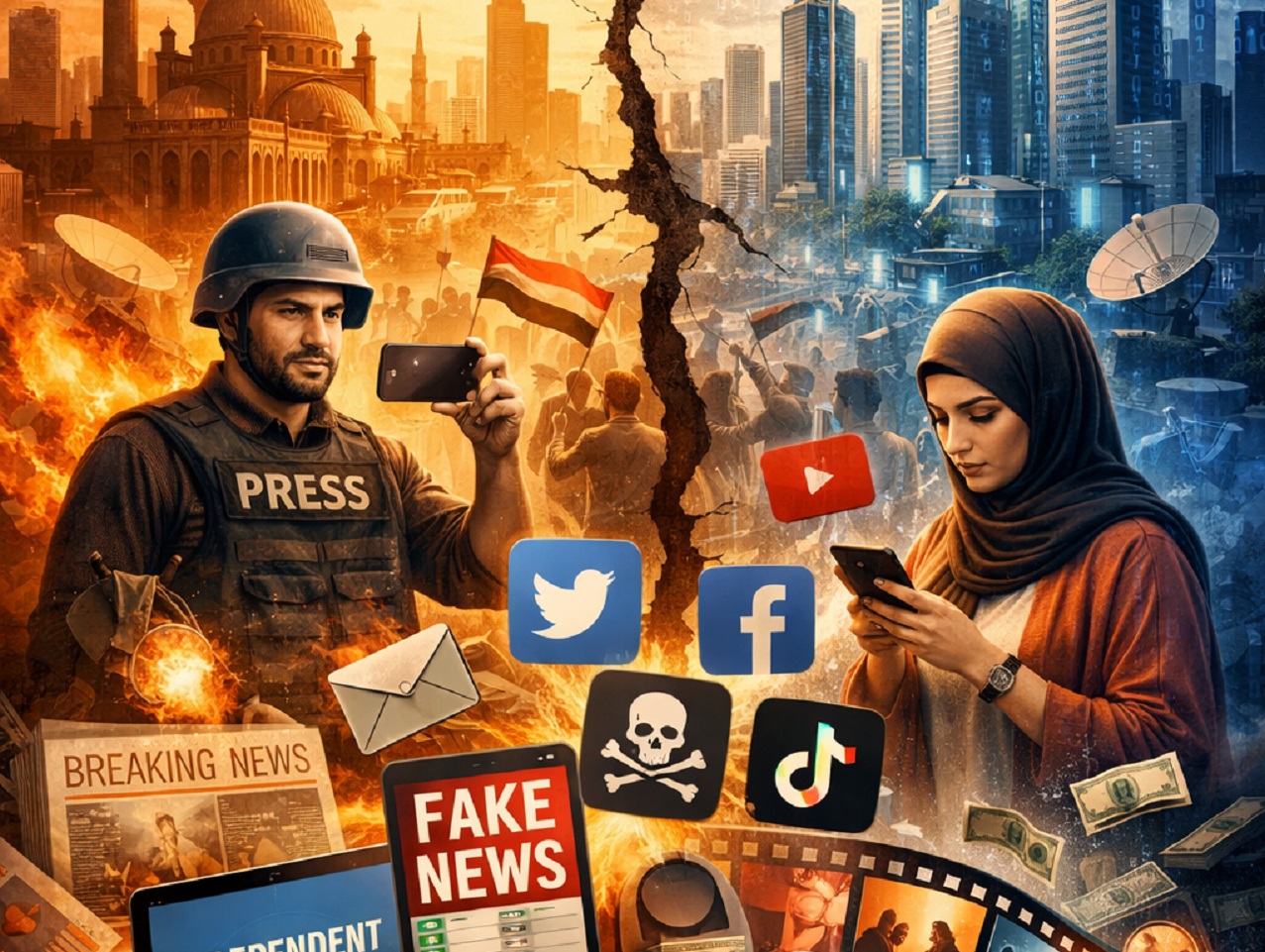
The massive expansion of digital platforms across the Middle East and North Africa has triggered what can only be described as an earthquake shaking the foundations of the traditional media landscape. After decades of dominance by large state-run and private media institutions, the digital revolution broke this monopoly, gave voice to the voiceless, and opened new spaces for debate and expression.

This wave has democratized access to information in unprecedented ways. Yet at the same time, it has opened the door to complex challenges that threaten content quality, credibility, and even the sustainability of professional journalism itself.


1. The End of Gatekeeping and the Rise of New Actors

One of the most visible consequences of digital transformation has been the erosion of the traditional “gatekeeper” role long played by established media institutions. Governments and major media corporations are no longer able to fully control the flow of information.

The Rise of Independent Journalists and Citizen Reporters

Platforms such as X (formerly Twitter), Facebook, and YouTube have empowered independent journalists, activists, and ordinary citizens to publish news, analysis, and live testimonies directly from the heart of unfolding events. During the Arab Spring and subsequent social movements, these new actors became primary sources of information, often bypassing official media blackouts.

The Emergence of Digital-Native Media

A wave of independent, digital-born news platforms has emerged, including Mada Masr, Aljumhuriya.net, and Daraj Media. These outlets rely on flexible business models and lower operational costs, focusing on investigative and in-depth analytical journalism tailored to specialized audiences. Their ability to reach readers directly online has allowed them to carve out distinct spaces within the media ecosystem.


2. Explosive Digital Growth: The Numbers Behind the Shift

To grasp the depth of this transformation, one must look at the data defining the region’s new digital reality.

Widespread Connectivity

As of July 2024, social media users worldwide reached 5.17 billion people—63.7% of the global population. In several Middle Eastern countries, internet penetration exceeds 90%.

Record Screen Time

The transformation is not only about user numbers but also intensity of use. The average user in the Middle East spends approximately 3.5 hours per day on social media platforms—among the highest rates globally. For large segments of society, particularly youth, these platforms have become the primary source of news and information.

This growth has created a vast and highly engaged digital audience. However, it has also turned the public sphere into an intensely competitive arena where value is not necessarily measured by quality, but by the ability to capture attention.


3. The Dominance of Superficial Content: The Attention Economy

In this highly competitive environment, the rules of the game have changed. Platform algorithms have effectively become the new editors-in-chief, designed to favor content that generates maximum engagement—likes, shares, and comments—in the shortest possible time.

The Rise of Fast Content

Short, visually stimulating content—such as TikTok videos and Instagram Reels—has come to dominate. News is compressed into rapid formats, and analysis is reduced to provocative headlines, leading to a flattening of public discourse.

The Race for “Trending”

Chasing trends has become a priority for many content creators and media institutions alike. This relentless competition often sacrifices depth and accuracy in favor of speed and virality, weakening the true informational value of journalism.

The Decline of Long-Form Journalism

In an environment that rewards quick consumption, investigative reporting and in-depth analysis—both of which require time, resources, and audience patience—struggle to survive, particularly outside elite circles.


4. Fake News and Piracy: Two Faces of the Same Crisis

Digital transformation has brought opportunities, but it has also introduced systemic threats to the entire media ecosystem.

The Epidemic of Misinformation

The ease of producing and distributing unverified content has turned digital spaces into fertile ground for fake news and disinformation. This phenomenon is frequently weaponized in political conflicts, fueling polarization and eroding public trust—not only in media institutions, but in institutions at large.

Piracy and Economic Drain

On another front, media organizations face an existential economic challenge: piracy. Studies indicate that more than 60% of online video consumption in the Middle East occurs through unauthorized platforms. As a result, institutions investing millions in producing high-quality content—films, series, and programs—are deprived of advertising and subscription revenues, weakening their capacity to sustain operations and reinvest in future production.


Toward a New Digital Social Contract

Digital transformation in the Middle East is not merely a technological shift; it is a profound reconfiguration of power, knowledge, and society. While it has empowered individuals with unprecedented tools for expression and participation, it has also placed professional journalism before existential challenges.

Addressing this dilemma requires a collective effort:

  • Media institutions must innovate in business models, invest in quality journalism that algorithms cannot replicate, and build direct trust-based relationships with audiences.
  • Digital platforms must assume social responsibility in combating misinformation and redesign algorithms that reward credible, substantive content.
  • Audiences must develop media and digital literacy skills to distinguish between trustworthy and false information, and actively support independent journalism—both financially and morally.

The future of media in the region depends on our ability to transform digital chaos into a pluralistic, responsible knowledge space.


Previous Post

🌙 Dmitry Brijac Participates in Ramadan Tent in Moscow, Praises Its Humanitarian Role

Leave Comment

An independent international organization for media professionals, dedicated to enhancing their skills and fostering networking opportunities.

About the Network

  • Membership
  • FAQ
  • Contact Us
  • Join Now

Other Links

  • Submit an Article
  • Videos
رخصة قيادة طائرات Drones للأغراض التجارية 💥 تع رخصة قيادة طائرات  Drones للأغراض التجارية 

 💥 تعلن شبكة محرري الشرق الأوسط وشمال أفريقيا عن بدء تسجيل الدفعة رقم 11 للتدريب والحصول على رخصة قيادة طائرات Drone 🛫 
دورة مميزة مقدمة ومعتمدة من جامعة إسطنبول الحكومية العريقة وبإشراف هيئة الطيران المدني التركية.
 📌 الدورة " حضورية"  بكلية الهندسة جامعة إسطنبول "افيجلار".
 💥 تعقد الدورة بتاريخ : 03-04-10 من يونيو 2023
  من الساعة  10 صباحاً -  2  ظهراً 

💥 مكتسبات الدورة للمتخرجين:
 📌  شهادة حضور من جامعة إسطنبول الحكومية
 📌 شهادة الهيئة العامة للطيران المدني التركي
 📌  رخصة قيادة طائرات DRONE في تركيا 

📌 الدورة مترجمة للغة العربية 

 💥  احجز مقعدك وسجل الآن 
عبر وتس أب : 009055502233
💥 دبلوم مهني في الإعلام الرقمي معتمد من جامعة إسطن 💥 دبلوم مهني في الإعلام الرقمي معتمد من جامعة إسطنبول التركية 💥

تعلن شبكة محرري الشرق الأوسط وشمال افريقيا #MENAEditors  عن فتح باب التسجيل للدفعة السادسة من"دبلوم الإعلام الرقمي"
باللغة العربية والمعتمد من جامعة اسطنبول الحكومية العريقة

📌الدراسة اون لاين

🌼 يهدف الدبلوم إلى:

- رفع كفاءة العاملين في مجال الإعلام عبر إكسابهم مجموعة من المهارات العملية.
- مساعدة الراغبين في دخول عالم الصحافة والإعلام  بمزيد من المعرفة الأكاديمية والخبرة المهنية.

مواد الدراسة:

👈المصادر المفتوحة والتحقق من الأخبار
👈مهارات الكتابة والتحرير الصحفي 
👈مهارات الإلقاء والتعليق الصوتي
👈 التسويق الإلكتروني وصناعة الصورة الذهنية
👈كتابة المحتوى والذكاء الاصطناعي
👈تحرير الصور والفيديو

☀مدة الدبلوم : شهرين
☀تبدأ في منتصف إبريل وتنتهي منتصف يونيو 2023
⏰ عدد ساعات :  ١٢٠ ساعة تدريبية
🌟بالتعاون مع العديد من النقابات والتجمعات الصحفية العربية  يقدم البرنامج نخبة من الخبراء والأكاديميين

رابط التسجيل https://bit.ly/MENADeplome6
نصائح للشركات الناشئة في مجال الإعلام دعونا نغوص ف نصائح للشركات الناشئة في مجال الإعلام
دعونا نغوص في عالم الشركات الإعلامية الناشئة، ما الذي يتطلبه الأمر لجعلها تعمل؟ إنّ المشاريع الرقمية الناشئة اكتسبت في السنوات الاخيرة اهتمامًا واسعًا، وحظيت بأهمية كبيرة على الصعيد الاقتصادي نظرًا لدورها الفعال كمحرك للاقتصاد ومنشئ لفرص عمل في المجتمع. كما أصبحت تتلقى تشجيعًا كبيرًا من قبل الدول وذلك لمساهمتها في عملية النهوض الاقتصادي مع ما تحمله من فرص للشباب في تحقيق طموحاتهم.. للمتابعة الضغط على الرابط التالي:
https://menaeditors.com/?p=2580
نصائح للشركات الناشئة في مجال الإعلام دعونا نغوص ف نصائح للشركات الناشئة في مجال الإعلام
دعونا نغوص في عالم الشركات الإعلامية الناشئة، ما الذي يتطلبه الأمر لجعلها تعمل؟ إنّ المشاريع الرقمية الناشئة اكتسبت في السنوات الاخيرة اهتمامًا واسعًا، وحظيت بأهمية كبيرة على الصعيد الاقتصادي نظرًا لدورها الفعال كمحرك للاقتصاد ومنشئ لفرص عمل في المجتمع. كما أصبحت تتلقى تشجيعًا كبيرًا من قبل الدول وذلك لمساهمتها في عملية النهوض الاقتصادي مع ما تحمله من فرص للشباب في تحقيق طموحاتهم.. للمتابعة الضغط على الرابط التالي:
https://menaeditors.com/?p=2580
6 إرشادات للصحفيين لإجراء مقابلات مع الخبراء خلال 6 إرشادات للصحفيين لإجراء مقابلات مع الخبراء
خلال عملهم الصحفي، لا سيما أثناء تغطية مواضيع متخصصة، يحتاج الصحفيون إلى إجراء مقابلات مع خبراء والتحدّث مع مجتمع العلماء من أجل الحصول على أدقّ وأفضل المعلومات وإيصالها إلى الجمهور.
وفي هذا الصدد، تحدّث كاتب هذا المقال البروفيسور داميان رادكليف من جامعة أوريجون الأميركية، مع الكثير من الخبراء في الأوساط الأكاديمية ومراكز الأبحاث، وحدّد عددًا من الطرق الرئيسية التي يمكن لبعض الصحفيين الاستعانة بها من أجل الاستعداد لإجراء مقابلات مع الخبراء، والتمكّن من الحصول على محتوى علميّ دقيق.. للمتابعة الضغط على الرابط التالي:
https://menaeditors.com/?p=2569
بين الفصحى والعامية.. كيف نصيغ اللغة الأقرب إلى ال بين الفصحى والعامية.. كيف نصيغ اللغة الأقرب إلى الجمهور؟
تطرح قضية مستويات اللغة عدة إشكاليات للصحفي والكاتب الممارس وحتى الأديب، وذلك انطلاقاً من أن اللغة تعدّ المادة الخام لأي كتابة.
في هذا المقال، سيتناول الكاتب قضية استخدام اللغة الفصحى والعامية في الإعلام الجديد خصوصا، وذلك انطلاقا من تجربته في هذا المجال وتفضيله بعض العبارات على أخرى كما سيرد.. للمتابعة الضغط على الرابط التالي:
https://menaeditors.org/.../%d8%a8%d9%8a%d9%86-%d8%a7%d9.../
تابعنا على Instagram
All rights reserved © 2025 – Middle East Editors Network

Design Abdullah Eldeep

Welcome Back!

Sign In with Google
OR

Login to your account below

Forgotten Password?

Retrieve your password

Please enter your username or email address to reset your password.

Log In

Add New Playlist

Manage Consent
To provide the best experiences, we use technologies like cookies to store and/or access device information. Consenting to these technologies will allow us to process data such as browsing behavior or unique IDs on this site. Not consenting or withdrawing consent, may adversely affect certain features and functions.
Functional Always active
The technical storage or access is strictly necessary for the legitimate purpose of enabling the use of a specific service explicitly requested by the subscriber or user, or for the sole purpose of carrying out the transmission of a communication over an electronic communications network.
Preferences
The technical storage or access is necessary for the legitimate purpose of storing preferences that are not requested by the subscriber or user.
Statistics
The technical storage or access that is used exclusively for statistical purposes. The technical storage or access that is used exclusively for anonymous statistical purposes. Without a subpoena, voluntary compliance on the part of your Internet Service Provider, or additional records from a third party, information stored or retrieved for this purpose alone cannot usually be used to identify you.
Marketing
The technical storage or access is required to create user profiles to send advertising, or to track the user on a website or across several websites for similar marketing purposes.
  • Manage options
  • Manage services
  • Manage {vendor_count} vendors
  • Read more about these purposes
View preferences
  • {title}
  • {title}
  • {title}
No Result
View All Result
  • Home
  • About Us
  • News
  • Training
  • Blog
  • Media Diploma
  • Membership
  • Contact Us

© 2026 JNews - Premium WordPress news & magazine theme by Jegtheme.