
Benghazi – MENA Editors Network
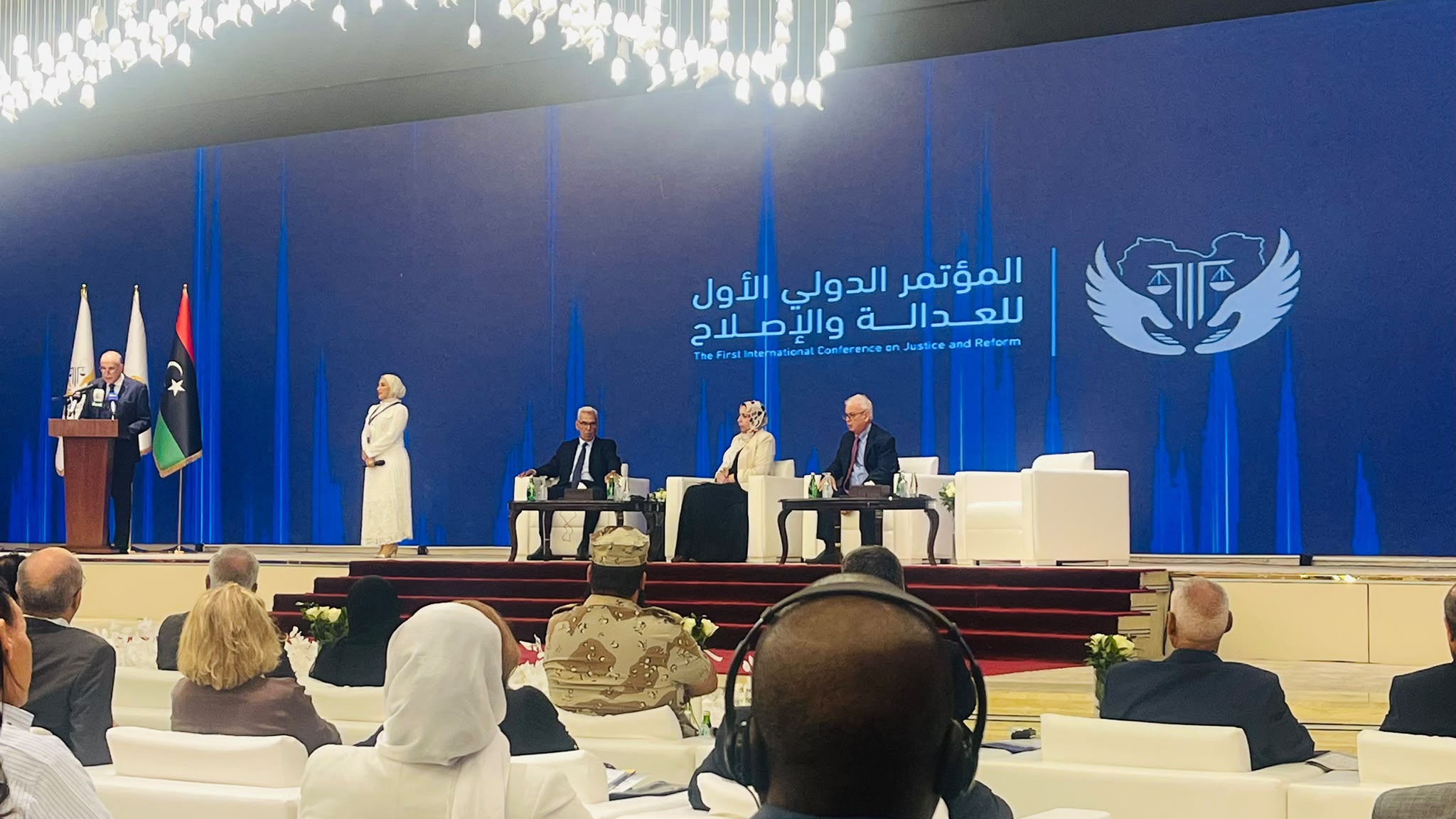
The First International Conference on Justice and Reform has opened in the Libyan city of Benghazi under the theme “Justice Is the Foundation of Reconciliation.” The conference is being held under the patronage of Lieutenant General Saddam Khalifa Haftar, with the participation of experts, academics, legal professionals, human rights advocates, and representatives of official, media, and civil society institutions from Libya and several Arab countries.
The three-day conference features a series of academic sessions and specialized discussions addressing justice, the reform of correctional institutions, the protection of human rights, the modernization of legislation and criminal justice policies, and the role of the justice system in advancing national reconciliation and social stability.
The opening session was attended by officials, academics, human rights specialists, and representatives of institutions working in the fields of justice and reform. Opening remarks emphasized that sustainable national reconciliation requires an effective justice system capable of balancing law enforcement with the protection of rights, freedoms, and human dignity.
MENA Editors Network Delegation Participates in the Conference
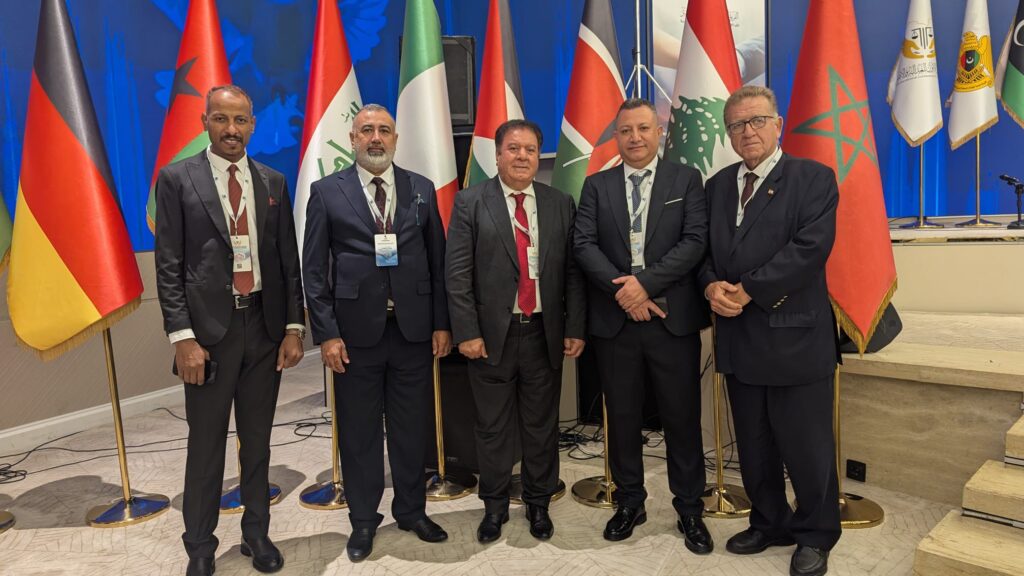
The MENA Editors Network is participating in the conference through a delegation comprising Dr. Saad Al-Masoud, a member of the Network’s Board of Directors, and Aboubakr Ibrahimoglu, founder and Chairman of the Board.
The Network’s participation reflects its commitment to supporting professional and academic dialogue on justice, human rights, and institutional reform, while strengthening the role of professional journalism in covering legal and human rights issues responsibly and presenting specialized discussions to the public in a balanced manner.
The participation also forms part of the Network’s efforts to expand its professional presence in Libya and develop partnerships with media, academic, and human rights institutions in ways that benefit journalists and create new opportunities for training, cooperation, and knowledge exchange.
Meetings to Expand the Network’s Services in Libya
On the sidelines of the conference, the MENA Editors Network delegation is holding a series of meetings with Libyan journalists, media professionals, and representatives of media, academic, and human rights institutions.
The meetings are aimed at exploring ways to strengthen the Network’s presence in Libya and expand the services it provides to journalists across different Libyan cities and regions.
Discussions focus on the professional needs of Libyan journalists in areas including training, digital skills development, professional safety, and specialized reporting. The delegation is also examining opportunities to organize joint training programs, workshops, professional forums, and media activities in Libya.
The delegation is further exploring potential partnerships with media organizations, universities, research centers, and training institutions. Such cooperation would help broaden opportunities for knowledge exchange and connect Libyan journalists with the Network’s regional and international professional contacts and programs.
Through these meetings, the Network seeks to gain a direct understanding of the challenges facing journalists and media professionals in Libya and to develop services tailored to their actual needs, particularly in the areas of professional membership, training, consultation, networking, and participation in international conferences and events.
The Network’s proposed vision for Libya also includes strengthening engagement with young journalists, supporting local media initiatives, and enabling Libyan professionals to participate in the Network’s programs, platforms, and professional and academic projects.
Ibrahimoglu: We Are Building Partnerships That Serve Libyan Journalists
Speaking on the sidelines of the conference, Aboubakr Ibrahimoglu, founder and Chairman of the MENA Editors Network, said that the Network’s participation provides an important opportunity to engage with Libyan institutions and media professionals and to gain first-hand insight into the needs of the country’s media sector.
“We view Libya as a dynamic media environment rich in talent and professional expertise. Through our meetings on the sidelines of the conference, we aim to build genuine professional partnerships that contribute to providing services, training programs, and cooperation opportunities tailored to the needs of Libyan journalists and media professionals.”
Ibrahimoglu added that the Network is working to establish a sustainable institutional presence in Libya that goes beyond participation in individual events and extends to launching programs and initiatives designed to serve journalists, develop their skills, expand their professional networks, and improve their access to regional and international training and participation opportunities.
He stressed that the media is an essential partner in advancing justice, reform, and reconciliation by reporting facts professionally, creating space for responsible dialogue, and promoting a culture of the rule of law and respect for human rights.
He also noted that the conference theme, “Justice Is the Foundation of Reconciliation,” reflects a fundamental principle: sustainable reconciliation requires fair and effective institutions, as well as professional media capable of strengthening trust, supporting dialogue, and resisting incitement and polarization.
Diverse Legal and Human Rights Themes
The conference program includes sessions examining the conditions of prisons and correctional institutions, the development of criminal justice policies, alternatives to custodial sentences, prison overcrowding, and the legal and human rights safeguards afforded to inmates.
Participants are also discussing the role of human rights institutions, lawyers, and oversight bodies in promoting restorative justice, in addition to reviewing Arab and international experiences in modernizing correctional systems, rehabilitating inmates, and facilitating their reintegration into society.
Other themes include prisoners’ rights, pretrial detention, alternative sanctions, legislative reform, transitional justice, and the role of judicial, human rights, and media institutions in advancing national reconciliation.
Toward Practical Recommendations
The conference is expected to conclude with a set of legal and academic recommendations concerning legislative reform, the development of correctional and rehabilitation institutions, the wider application of alternative sanctions, and stronger cooperation among judicial, human rights, and media bodies.
The MENA Editors Network hopes that its participation, together with the meetings held by its delegation, will help establish a new phase of professional cooperation in Libya, expand the Network’s services, and increase the benefits available to Libyan journalists through its training programs, initiatives, and cross-border professional network.